SBA Disaster Loans Are Not Just for Businesses
- Business Funding, Small Business
 By
John Shim, founder and editor
By
John Shim, founder and editor
Table of Contents
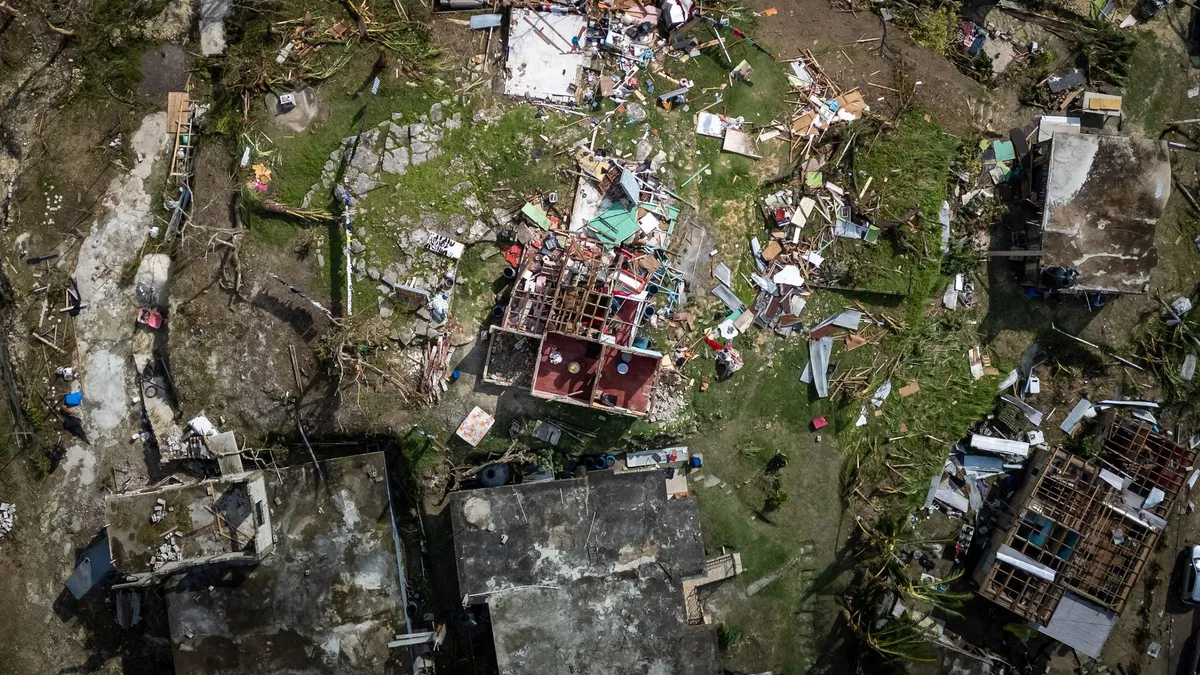
A storm takes the roof off your house, or a flood ruins everything you own in a rented flat, and somewhere in the paperwork blizzard that follows someone mentions an “SBA loan.” Most people stop listening right there. SBA stands for Small Business Administration, you don’t own a business, so it’s not for you. That assumption costs disaster survivors real money every year, because it’s wrong.
SBA’s own physical damage loans page says it plainly: homeowners, renters, nonprofits and businesses of all sizes can apply, and if you live in a declared disaster area with damage to your home or personal property, you may be eligible even if you do not own a business. There is a dedicated application form for individuals — SBA Form 5C, the Disaster Home Loan Application — used by renters and homeowners for disaster-damaged real estate or personal property. The agency built an entire form for people who don’t run businesses. It just never renamed itself to advertise the fact.
Here’s the detail that matters most, and the one renters almost never hear: the personal property loan — up to $100,000 for things like clothing, furniture, cars and appliances — is available to renters as well as homeowners. If your car was flooded in a declared disaster and insurance didn’t make you whole, that is exactly the sort of loss this loan exists to cover, whether or not you own a single brick of the building you live in.
The declaration is the gate
None of this is available for an ordinary bad week. Your kitchen fire, your burst pipe — those are between you and your insurer. SBA disaster lending switches on when your area is covered by a disaster declaration, which is why the first question is always geographic: are you inside the declared area? SBA’s press releases describe assistance flowing through a presidential declaration, and the agency’s disaster assistance hub offers a county eligibility lookup and points to fema.gov for updates on presidential declarations.
The mechanism is worth understanding. Congress didn’t build this as a general hardship loan scheme; it built it as a way to move recovery capital into specific places after specific events. That’s why the deadlines are tied to each declaration rather than being a rolling window, and why the very first thing to do after any major event in your area is to check whether your county has been declared. Don’t assume you’d have heard — declarations are sometimes amended later to add counties.
What you can borrow, and for what
The ceilings below are current SBA figures, and the top one is relatively new: a July 2023 rule change raised the primary-residence limit from $200,000 to $500,000, alongside extending the initial payment deferment and waiving interest for the first year. If you last looked at this programme years ago, the numbers you remember are out of date.
| Loan type | Who can apply | Ceiling | Covers |
|---|---|---|---|
| Home repair or replacement | Homeowners (primary residence only) | Up to $500,000 | Repairing or replacing the disaster-damaged home |
| Personal property | Renters and homeowners | Up to $100,000 | Clothing, furniture, cars, appliances |
| Mitigation increase | Eligible approved applicants | Up to 20% of verified physical damage | Improvements that reduce future risk |
The mitigation increase is the piece most people never claim. SBA can add up to 20 percent of your verified physical damage to the loan specifically to fund improvements that protect against the next disaster — SBA’s releases give examples such as strengthening a structure against wind, wind-rated garage doors, and safe rooms or storm shelters. If a hurricane just proved your garage door was the weak point, this is the money that fixes the design flaw rather than just restoring it.
Two restrictions to know. Secondary and vacation homes are not eligible, although qualified rental properties may fit the business physical disaster loan programme instead. And the money is for putting things back, not making them better: funds can’t be used to upgrade or add to a home unless a change is required by local building code.
Applying costs nothing and commits you to nothing
This is the fact that should change your behaviour in the first weeks after a disaster. SBA’s mitigation assistance page states it directly: there is no cost to apply, and you are under no obligation to accept a loan if approved. An SBA application is not a debt; it’s an option. You can apply, see what you’re approved for, compare it against your insurance settlement and your FEMA assistance, and then walk away if you don’t need it.
The same logic applies to insurance. The instinct is to wait until the insurer settles so you know your real shortfall. SBA says don’t wait: it can lend for the total verified loss up to its limits, provided you agree to use insurance proceeds to reduce or repay the loan. Loans cover losses not fully covered by insurance or other sources, and insurance money is deducted from the eligible amount either way — but applying early keeps your recovery moving while the insurer takes its time.
FEMA and SBA: the rule most people learned is out of date
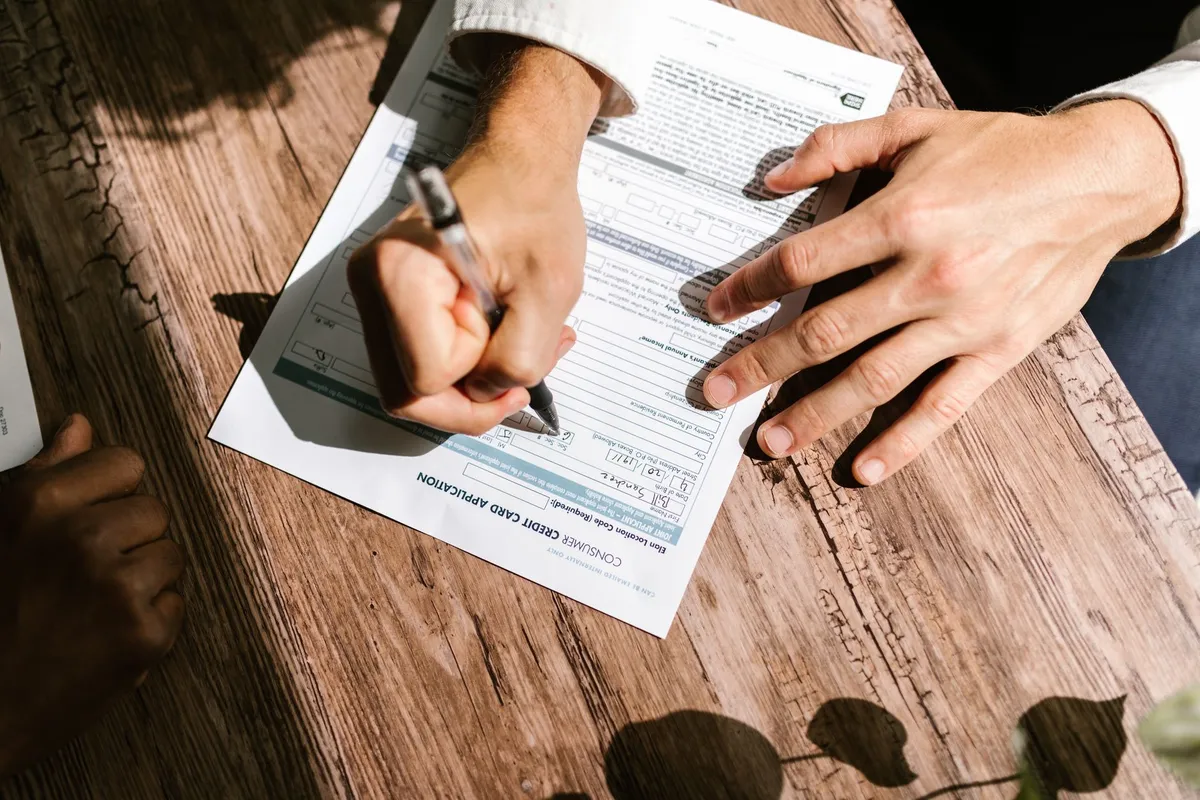
For years, the folk wisdom was that FEMA sends you to SBA first, and some FEMA help only comes if SBA turns you down — so people who didn’t want a loan felt trapped in a pointless application. Whatever the merits of that old flow, SBA’s current press releases repeatedly reference changes to FEMA’s Sequence of Delivery, under which survivors are now encouraged to apply for FEMA grants and SBA loans simultaneously rather than one after the other.
The division of labour, in SBA’s framing, is this: FEMA grants cover necessary expenses and serious needs not paid by insurance or other sources — the immediate, keep-you-afloat money — while the SBA disaster loan is the long-term recovery tool meant to return you to your pre-disaster condition. A FEMA grant will not rebuild your house or replace your car; the SBA loan is designed to. They’re complements, not alternatives, which is exactly why applying for both at once now makes sense. If you were hoping for a grant that does the whole job, it’s worth reading why free government money for a small business is mostly a myth — the same broad logic applies to disaster recovery.
Deadlines, and why missing one isn’t always fatal
Every declaration carries its own dated deadlines, published in SBA’s announcement for that disaster. As a live example, SBA’s Indiana release listed a physical damage deadline of June 8 and an economic injury deadline of January 11, 2027. The pattern is consistent: the physical damage window closes relatively quickly, while economic injury loans — working-capital loans for businesses and nonprofits only — run on an extended timeframe of nine months from the declaration.
Two under-reported softenings. First, recent SBA releases state that after the economic injury deadline passes, there is a 60-day grace period in which SBA will still accept applications. Second, deadlines can be reopened: SBA reopened physical damage deadlines — with a new deadline of April 27, 2025 — for declarations affected by the 2024 federal funding lapse. If you think you’ve missed your window, check the current announcement for your declaration before giving up.
It’s also worth knowing what happened in October 2024, when SBA announced its disaster loan funds were fully expended. The agency kept accepting and processing applications while waiting on congressional appropriations and urged people to keep applying — because an application filed during the lapse preserved the applicant’s place in line. The lesson generalises: apply on time even when the news sounds discouraging.
How to apply
Homeowners and renters use Form 5C. Per SBA’s disaster releases, you can apply online through sba.gov/disaster, by phone on (800) 659-2955, or by email to disastercustomerservice@sba.gov. If you’re also self-employed and the disaster hit your livelihood as well as your home, note that the economic injury loan is a separate product for the business side — and for ordinary, non-disaster borrowing at small scale, SBA microloans are the programme built for people banks turn away.
Frequently asked questions
I rent and don’t own a business. Can I really get an SBA loan? Yes. SBA’s physical damage loans page says renters in a declared disaster area may be eligible even without owning a business, and the personal property loan of up to $100,000 covers items such as clothing, furniture, cars and appliances. You apply on Form 5C, the Disaster Home Loan Application.
If I apply and get approved, do I have to take the money? No. SBA states there is no cost to apply and you are under no obligation to accept a loan if approved. Applying simply gives you the option, which is why it makes sense to apply early rather than waiting to see how everything else shakes out.
Should I wait for my insurance company to settle before applying? No. SBA says survivors shouldn’t wait to settle with insurers — it can lend for the total verified loss up to its limits if you agree to use insurance proceeds to reduce or repay the loan. Insurance money is deducted from what you’re eligible for either way.
Do I apply to FEMA or SBA first? Both at once. Under changes to FEMA’s Sequence of Delivery referenced in SBA’s recent releases, survivors are encouraged to apply for FEMA grants and SBA loans simultaneously. FEMA grants cover serious immediate needs; the SBA loan is the long-term tool for returning you to your pre-disaster condition.
The deadline for my disaster has passed. Is it over? Not necessarily. SBA’s recent releases describe a 60-day grace period after the economic injury deadline, and the agency has reopened physical damage deadlines before — as it did in March 2025 for declarations affected by the 2024 funding lapse. Check the current announcement for your specific declaration.